Science Café: Digital Twin
Interaction between 3D models and reality for the built environment
In the early days of personal computers and home internet, "De Digitale Stad" (The Digital City) and "SimCity" were household names among early adopters. De Digitale Stad saw unprecedented potential in the rise of the internet and digitalization to connect people and build communities. SimCity was a game where you built virtual cities subject to all kinds of environmental constraints right from the start. Today, these are no longer mere dreams and video games, but practical tools for urban planners and city developers. The buzzword here is "digital twin." You build a digital replica of an existing or planned built environment based on vast amounts of data continuously gathered by smart meters and sensors. Using such a digital twin, you can then run simulations on how an area might develop—even if it doesn't exist yet. After all, experimenting on a real city is impractical, not to mention undesirable.
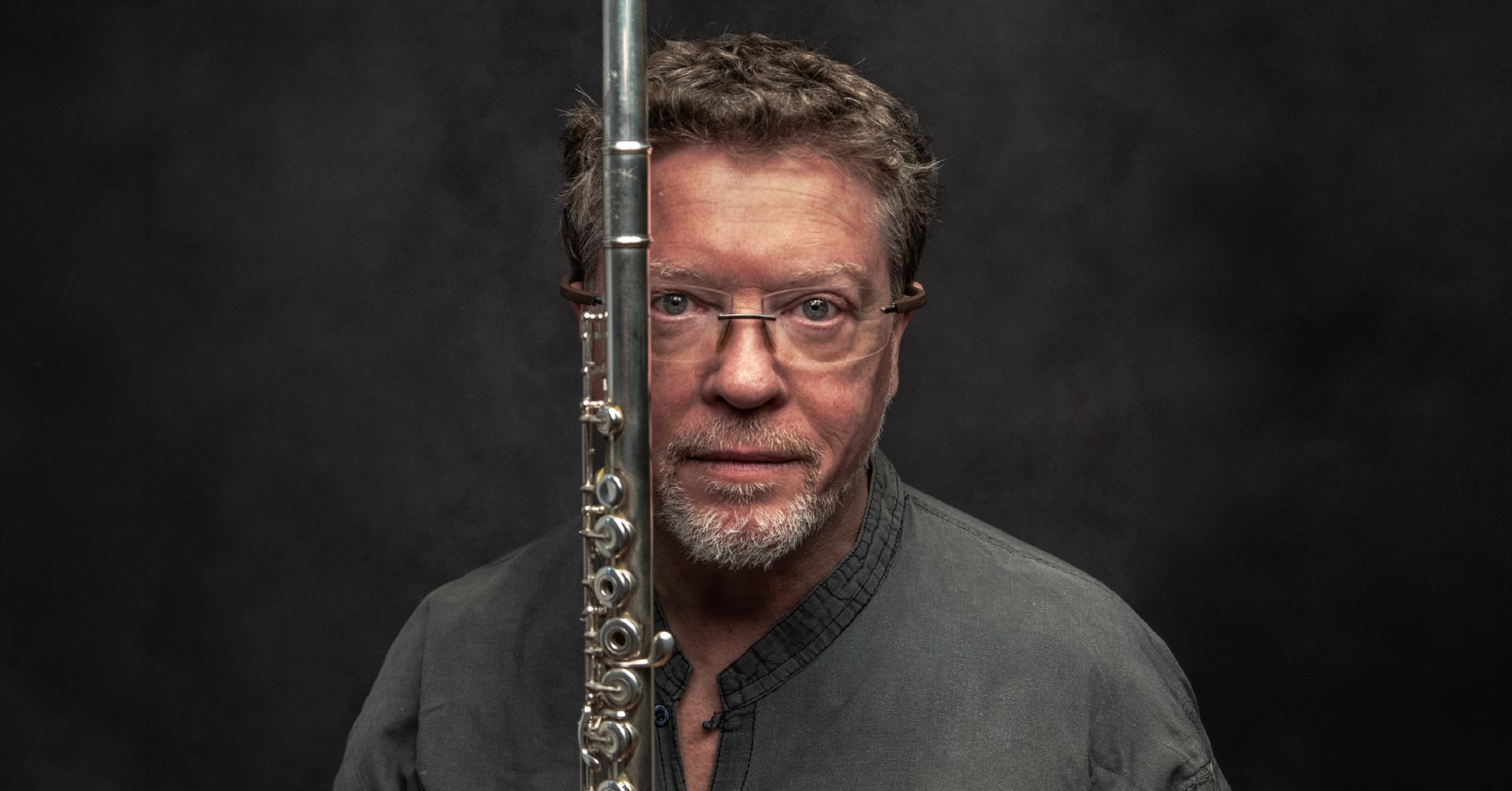
Dr. Sander Oude Elberink, affiliated with the Faculty of Geo-Information Science and Earth Observation and the Digital Society Institute at the University of Twente, will discuss these developments. His expertise lies in creating 3D geo-information from aerial photos and 3D laser scans. He will focus on how to create the most accurate 3D digital maps, how to integrate them into a digital twin, and how to run practical simulations. Oude Elberink will share examples from Deventer and address the limitations of digital twins. For instance, if you want a digital map of Deventer showing the energy labels of all homes, does that conflict with resident privacy? And more importantly: can human behavior be captured in a digital twin?
We are organizing this evening in collaboration with Witteveen+Bos. The company plays a key role in the development of De Kien, the Deventer City Campus at the tip of the Handelskade, where a digital twin will also be essential. A representative from De Kien will share more about this. De Kien is also a partner in a major new research program led by Saxion: GROUNDED. Its goal is to map how our environment, both above and below ground, affects our lives. Monitoring our living environment is crucial for realizing future-proof climate solutions by 2050. In short, an evening about the digital and real worlds of our living environment.
Dubio will provide live music, and Almar Otten will serve as moderator after the break.